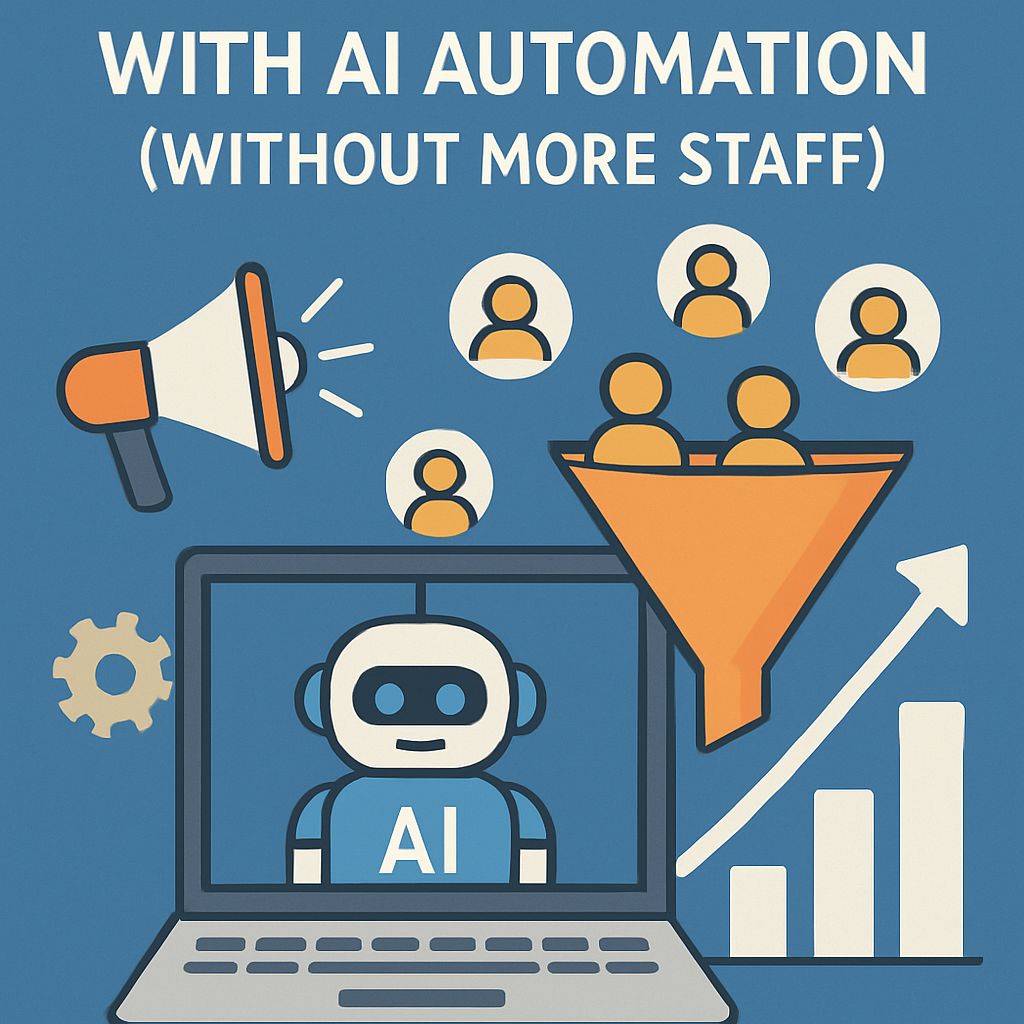
How to Scale Lead Generation with AI Automation (Without More Staff): A Practical Guide for Small Business Owners
|
|
Scaling lead generation is a top priority for small business owners looking to stay competitive without ballooning costs or hiring an army of new staff. Traditionally, expanding your outbound sales might mean bringing on more sales reps, ramping up your marketing team, or outsourcing cold calling. But thanks to advancements in artificial intelligence (AI) and productivity automation, you now have the opportunity to scale lead generation with AI—streamlining your process, enhancing results, and increasing your reach, all while maintaining a lean team.
This comprehensive how-to guide will walk you through the practical steps to implementing AI-based sales efficiency tools, optimizing productivity automation, and achieving outbound scaling—all tailored for small business owners. Let’s unlock the potential of lead generation in a smarter, more efficient way.
|
Table of Contents
- Understanding the Role of AI in Modern Lead Generation
- Why AI Automation is a Game-Changer for Small Business Sales
- Where AI Automation Excels: Core Lead Generation Processes
- Lead Sourcing and Research
- Lead Qualification
- Personalized Outreach
- Follow-Up and Lead Nurturing
- Choosing the Right Sales Efficiency Tools for Productivity Automation
- Step-by-Step Blueprint: How to Scale Lead Generation with AI Automation
- Outbound Scaling: How AI Powers Smart, Efficient Outreach
- Case Studies: Real-World Examples of Small Teams Achieving More with AI
- Practical Tips, Strategies, and Common Pitfalls to Avoid
- Conclusion: Key Takeaways to Transform Your Lead Gen in 2024
|
1. Understanding the Role of AI in Modern Lead Generation
Over the past few years, AI has transformed the landscape of sales and marketing. For small business owners, the impact is especially profound: AI can now automate repetitive tasks, unlock insights from large amounts of data, and coordinate personalized interactions at a scale that was previously impossible without a bigger team.
What does AI in lead generation look like today?
- Intelligent Data Mining: Automatically scraping databases, websites, and social platforms for contact information and intent signals.
- Automated Qualification: Using chatbots or AI scoring to prioritize the best prospects.
- Personalization at Scale: Generating tailored emails, LinkedIn connections, or SMS messages for thousands of leads—each personalized to recipient interests and behaviors.
- Workflow Automation: Scheduling follow-ups, reminders, and next actions without manual input, ensuring leads never slip through the cracks.
- Predictive Analytics: Identifying which leads are most likely to convert based on engagement and demographic data.
Industry Research: According to Salesforce’s State of Marketing 2023 report, 66% of marketers say AI boosts team efficiency by reducing time spent on repetitive tasks. For owners with limited staffing, this is a major strategic advantage.
|
2. Why AI Automation is a Game-Changer for Small Business Sales
Embracing AI is about more than just speed; it’s about doing better work with fewer resources. Here are some compelling reasons why small businesses should leverage productivity automation in lead generation:
1. Reduce Operational Costs
Small business owners rarely have the luxury of surplus headcount. AI-powered sales efficiency tools can handle tasks at a fraction of the cost of a new hire:
- Automated lead research that cuts down manual hours
- Streamlined outreach, reducing the need for extra staff
2. Consistent and Reliable Outreach
AI doesn’t get tired or overlook leads. With automation, every prospect receives timely and appropriate follow-ups, increasing your brand’s professionalism and response rates.
3. Superior Data-Driven Targeting
AI unlocks actionable insights by analyzing prospect behavior, previous engagement, and demographic details. This helps you:
- Create targeted segments for higher conversion
- Optimize message timing and content for each lead
4. Scalable Productivity
As your contact list expands, traditional approaches force you to hire more people. AI automation enables outbound scaling naturally—your software works harder, not your staff.
Data to Remember:
McKinsey’s 2022 research found that businesses integrating AI into their sales processes report an average 50% increase in qualified leads and 60% faster completion of routine sales activities.
5. Enhanced Team Morale and Focus
By automating dull, repetitive tasks, your team can focus on high-value interactions, creative selling, and relationship-building—resulting in better workplace satisfaction.
|
3. Where AI Automation Excels: Core Lead Generation Processes
Understanding where productivity automation and AI fit into the lead generation journey helps you target the right tools and strategies. Here’s how:
a) Lead Sourcing and Research
The Challenge: Manually researching prospects is time-consuming and error-prone.
AI Solution Examples:
- Apollo.io and ZoomInfo use algorithms to scrape and enrich data from millions of companies and decision-makers.
- Lusha browser plugins pull verified contact details while you browse LinkedIn.
- AI bots scan news, industry updates, and social signals to flag companies likely entering a buying cycle.
Real-World Example:
A SaaS startup using Apollo.io saw a tenfold increase in new leads by allowing the tool to continuously monitor company news for hiring announcements (a trigger for new software purchases).
b) Lead Qualification
The Challenge: Not all leads have the same value. Manual scoring wastes precious time and can be subjective.
AI Solution Examples:
- Machine learning in HubSpot or Salesforce Einstein automatically scores leads based on past conversion data.
- Chatbots on your website or Facebook page qualify leads by asking targeted questions (“What’s your budget?” or “Ready to book a demo?”).
Example:
A home services company implemented Intercom’s AI chatbot. Instead of sorting “just browsing” visitors from urgent “request a quote” prospects themselves, the bot did the work and routed only hot leads to the two sales reps.
c) Personalized Outreach
The Challenge: Personalizing every email, LinkedIn message, or call script is impossible without more staff.
AI Solution Examples:
- Mailshake and Lemlist personalize every outbound email using data points like first name, company news, or recent social posts.
- Templates adapt in real-time, with AI suggesting new subject lines and call-to-actions based on open/reply rate performance.
- AI tools integrate with CRM to insert dynamic client information into sequences.
Example:
A B2B consultant created a single AI-enabled mail merge that referenced the recipient’s recent blog post or company announcement, boosting the reply rate by 40%.
d) Follow-Up and Lead Nurturing
The Challenge: Following up is crucial, but it’s time-intensive and easy to forget.
AI Solution Examples:
- Auto-sequenced emails or texts trigger if a prospect doesn’t reply, escalating outreach until a response.
- CRM-integrated systems prompt your team only when a real-time prospect engages.
Example:
A small accounting firm combined HubSpot’s AI workflows with calendar automations. Prospects who didn’t book a call after the first pitch automatically received a nurturing sequence highlighting case studies, followed by a last-chance call to action.
Category Summary:
- Lead sourcing: Lusha, Apollo.io, ZoomInfo
- Outreach: Mailshake, Lemlist, Outreach.io
- CRMs with AI: HubSpot, Freshsales, Salesforce Einstein
- Chatbots: Intercom, Drift
|
4. Choosing the Right Sales Efficiency Tools for Productivity Automation
Your sales tech stack is the backbone of your outbound scaling efforts. With hundreds of options available, making the right selection ensures a smooth path to productivity automation.
Key Criteria for Small Business Owners
- Seamless Integration: Ensure tools work with your current CRM, email provider, and other marketing platforms. The less manual syncing, the better.
- AI Features: Look for lead scoring, content personalization, auto-scheduling, and analytics dashboards.
- Ease of Use: Intuitive interfaces mean less time learning, less confusion, and higher staff adoption.
- Workflow Automation Scope: Can the tool handle automated list-building, multi-channel outreach, and follow-ups end-to-end?
- Affordability and Scalability: Platforms offering free trials, flexible pricing, and feature upgrades according to your growth are ideal.
Popular, User-Friendly Options:
- Apollo.io: Comprehensive B2B prospecting, enrichment, and workflow automation platform—excellent for targeted outbound campaigns.
- Mailshake: Multichannel outreach (email, social, phone) with advanced sequences and AI-driven optimization.
- Freshsales: CRM with built-in AI sales assistant for scoring and reminders; integrates with chatbots and marketing tools.
- Lemlist: AI-driven email personalization and deliverability boosting for small teams.
Anecdote:
Sarah, who runs a two-person financial planning firm, moved to Freshsales for its AI-powered task reminders and integration with her appointment scheduling tool. As a result, she doubled her monthly consultations—without increasing her workload or hiring help.
|
5. Step-by-Step Blueprint: How to Scale Lead Generation with AI Automation
Follow this practical workflow to systematically scale lead generation with AI, tailored for small businesses:
Step 1: Audit Your Current Lead Generation Process
Before adding tools, analyze your current workflow. Map out:
- Where leads come from (website, social, referrals)
- How you qualify and follow-up
- The drop-off points in your pipeline
- Time spent per task and conversion rates
Example:
John, a real estate agent, discovered he was losing prospects who requested info after hours. This bottleneck led him to introduce an AI chatbot for instant replies.
Step 2: Pinpoint Your Automation Priorities
Identify areas with the biggest impact potential:
- Is manual prospect list building eating up hours?
- Are follow-ups inconsistent?
- Does your outreach feel generic or unproductive?
Choose one bottleneck to start.
Step 3: Select AI Automation Tools That Fit Your Workflow
Research platforms using directories like G2, Capterra, or TrustRadius. Compare by:
- Pricing plans for small businesses
- Integration with your sales stack (email, CRM, calendar)
- AI features aligned to your needs (e.g., lead scoring, copywriting)
Popular in 2024:
– Apollo.io—Lead sourcing, automated enrichment, and multi-channel workflow automation.
– Mailshake—Personalized drip campaigns with AI optimization.
– Freshsales—Automation for reminders, scoring, and nurturing.
Step 4: Setup and Integration
– Sync your selected tool with your email provider, CRM, and any calendar software.
– Use onboarding programs, knowledge bases, and vendor tutorials to ensure smooth integration.
– Set up user accounts and permissions—small teams usually benefit from admin/owner and basic sales roles.
Step 5: Design Automated Workflows
- List Building: Import/upload or automatically sync new leads.
- Sequenced Outreach: Create multi-step email/SMS/LinkedIn touchpoints. Use AI to personalize.
- Trigger-Based Actions: E.g., when a lead opens an email, prompt LinkedIn connection; if no reply after two touches, schedule a phone follow-up.
Step 6: Track, Measure, and Optimize
- Monitor metrics: open rates, click rates, replies, conversion from touchpoint to appointment/demo/close.
- Analyze dashboard insights to spot underperforming steps.
- Test subject lines, send times, and messaging using AI’s recommendations.
- Refresh your lead sources and nurture sequences regularly.
Tip:
Block one hour per week to review analytics, tweak automations, and experiment with new AI-generated templates. This iterative process maximizes ROI from your tech investment.
|
6. Outbound Scaling: How AI Powers Smart, Efficient Outreach
Scaling outbound lead efforts used to mean risking your reputation for “spamming” or burning out your small team. With AI productivity automation, you can massively increase your outbound reach and efficiency, without the downsides.
How AI Enables Outbound Scaling — Done Right
- Social Listening and Trigger Detection
- AI scans LinkedIn, Twitter/X, and forums for buying signals, such as job changes or funding news.
- Example: A recruitment agency’s tool flagged HR leaders posting about growth, prompting instant personalized pitches.
- Automated Multi-Touch Cadences
- Schedule tailored emails, LinkedIn messages, SMS, and voice drops in a coordinated outreach sequence.
- AI adapts follow-ups based on lead response: quick reply = demo invitation; no reply = value add email.
- AI-Powered Copywriting and Personalization
- Use Jasper or Copy.ai to generate unique messages per lead, referencing their company news or social content.
- Automate A/B tests of email subject lines and track which messages land more replies.
- Dynamic Lead Segmentation
- Automatic grouping by size, industry, past behavior, buyer intent—enabling highly targeted outreach lists.
- Continuous Workflow Optimization
- AI analyzes which cadences (sequence of touches) perform best and recommends improvements.
Stat:
HubSpot’s 2024 Sales Trends Report found businesses using AI for outbound scaling reported a 23% higher reply rate and 18% more meetings booked, compared to manual outreach.
|
7. Case Studies: Real-World Examples of Small Teams Achieving More with AI
Case Study 1: Growth
Get customers on autopilot. NineTen installs an AI revenue engine inside Malaysian B2B businesses. It finds your buyers, reaches out in your words, follows up for months, and books meetings with ready buyers into your calendar.
Chat with us on WhatsApp and see what it could do for your business.
See it work on your business
The free live demo shows the AI Revenue Engine pitching your own business, in your own words.
Try the Free Live Demo
|