


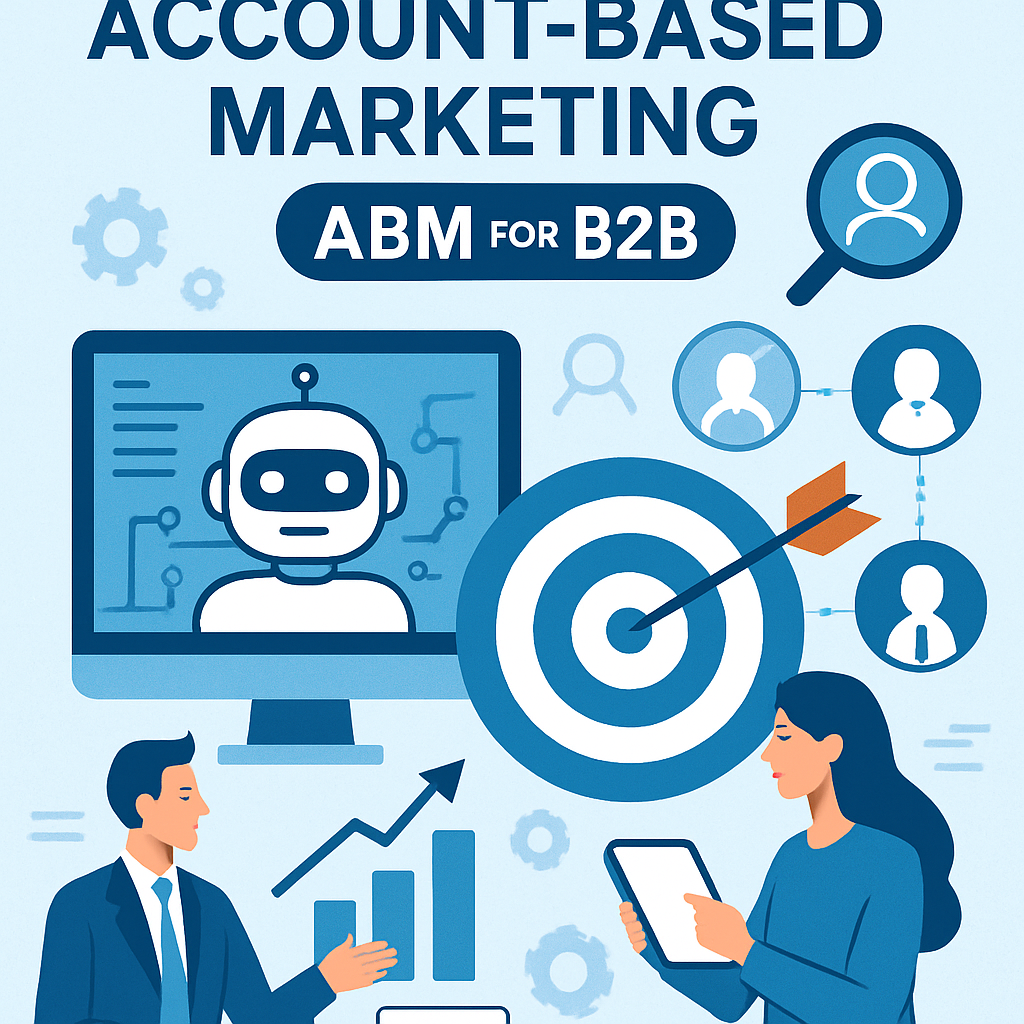
Quick answer: AI-driven account-based marketing (ABM) identifies high-value target accounts, maps every stakeholder in the buying committee, and delivers personalised, role-specific outreach to each decision-maker simultaneously, without manual effort per contact. Intent signals and firmographic data prioritise which accounts to pursue first, while automated sequencing coordinates messages across all influencers at once. NineTen provides this type of AI-powered B2B outreach for Malaysian businesses, running the same systems for its own prospecting: in June 2026 alone, the cold email engine reached over 15,000 distinct Malaysian businesses, with every reply triaged by AI first.
What is buying committee targeting and why does it matter in B2B sales? Buying committee targeting means identifying every individual who influences or approves a purchase within a target account and engaging each with messaging suited to their role. It matters because most B2B deals require sign-off from several stakeholders, so reaching only one contact frequently stalls the sale before it progresses.
How is AI-driven ABM different from traditional account-based marketing? Traditional ABM depends on manual research and list-building, which limits how many accounts a small team can pursue at any one time. AI-driven ABM automates account selection, contact enrichment, and personalised sequencing, so a small team can run coordinated, multi-stakeholder campaigns across hundreds of accounts simultaneously.
“`html
The Ultimate How-to Guide: Leveraging AI-Driven Account-Based Marketing (ABM) for B2B Lead Generation
In the fast-evolving B2B world, generic marketing blasts are losing their edge. Instead, the path to business growth and relationship building is paved with laser-focused, personalized engagement. Account-Based Marketing (ABM) has unlocked this path, enabling companies to concentrate their resources on strategic accounts. But as the quest for speed and scale grows, the union of AI and ABM is revolutionizing how corporate professionals execute B2B lead generation.
Ready to tap into AI ABM lead generation for your enterprise? This guide will take you step-by-step through the essentials—explaining the technology, practical implementation tactics, buying committee targeting tips, and enterprise ABM frameworks. With real-world stories and actionable steps throughout, you’ll be empowered to launch scalable, high-impact ABM campaigns powered by artificial intelligence.
Table of Contents
- Understanding AI-Driven ABM: The New Era of B2B Marketing
- Why AI in ABM Matters: Market Trends and Research
- The Anatomy of AI-Powered Lead Generation in ABM
- Buying Committee Targeting: Precision Outreach Gets Smarter
- Implementing Enterprise ABM with Artificial Intelligence
- Real-World Stories: AI-Driven ABM Successes
- Step-by-Step Guide: Launch Your AI ABM Lead Generation Strategy
- Practical Tips and Pitfalls to Avoid
- Looking Ahead: The Future of Account Based Marketing AI
- Key Takeaways and Next Steps
1. Understanding AI-Driven ABM: The New Era of B2B Marketing
What is ABM and How Does AI Reshape It?
Account-Based Marketing (ABM) is a B2B approach that focuses on identifying high-value accounts and orchestrating personalized outreach to those specific companies, rather than relying on broad, catch-all campaigns. At its core, ABM is about understanding the unique needs of key accounts, developing custom messaging, and aligning both sales and marketing to build deeper, more targeted relationships.
Enter Artificial Intelligence (AI):
AI brings a technological leap to account-based marketing by automating data aggregation, analyzing patterns in behavior and intent, and enabling campaign personalization at a speed and scale that’s impossible manually. AI empowers marketers and sales teams to:
- Uncover hidden signals that indicate buying intent.
- Score and prioritize target accounts and contacts for engagement.
- Automate multichannel outreach personalized to each stage of the buyer journey.
- Continuously refine messages and campaigns using real-time data.
The Core Benefits of AI in ABM
- Hyper-Personalization: AI analyzes mass volumes of data to suggest and automate custom content, ensuring every message truly resonates with the individual’s needs and pain points.
- Efficiency and Scale: Traditional ABM is resource-intensive. With AI, repetitive tasks like lead scoring, account mapping, and outbound sequencing can be automated, freeing up teams to focus on strategic work.
- Accelerated Sales Cycles: By identifying which accounts are actually ready to buy (using predictive analytics), you shorten time-to-close and boost pipeline conversion rates.
- Continuous Optimization: AI learns from every engagement, enabling ongoing refinement of audience targeting, content, and tactics for future campaigns.
2. Why AI in ABM Matters: Market Trends and Research
The Modern B2B Purchase Journey
The days of one stakeholder signing a deal are long gone. Most B2B buying journeys now span several months, involving multiple decision-makers and influencers—sometimes as many as 6 to 10, according to Gartner research. These buying committees each bring unique criteria and priorities, making the sales process more intricate.
Key Trends Underlining the Importance of AI for ABM:
- Growing Data Complexity: The volume of buyer intent signals and engagement data available is staggering; humans alone can’t analyze it all.
- Shift Toward Personalized Experiences: B2B buyers expect consumer-grade, personalized experiences from vendors.
- Pressure for Proven ROI: Marketing and sales teams are under scrutiny to justify investments with clear, attributable results.
- Alignment Across Departments: ABM, powered by AI, synchronizes marketing, sales, and customer success for consistent outreach and messaging.
Industry Research & Third-Party Validation
- Forrester (2023): 75% of surveyed B2B marketers intend to raise spending on AI-powered ABM solutions, due to the proven impact on pipeline and closing rates.
- Demandbase ABM Benchmark (2022): Companies leveraging account-based marketing AI achieved a 20% increase in pipeline value and a 19% boost in close rates compared to those using purely manual ABM.
- McKinsey (2022): AI-powered personalization strategies in B2B can drive revenue increases of up to 40%.
Example:
A leading cybersecurity provider found that, pre-AI, their large enterprise deals averaged a 12-month sales cycle. After implementing AI ABM lead generation, they matched real-time intent data with historical win/loss records. This allowed them to prioritize accounts showing active interest, reduce unnecessary outreach, and bring average deal closure down to eight months—shortening cycles and improving win rates by 35%.
3. The Anatomy of AI-Powered Lead Generation in ABM
Effective AI ABM lead generation operates in several core stages. Understanding the anatomy of these processes will empower you to deploy your own program efficiently.
Data Consolidation and Enrichment
- Unified Data Views: AI pulls in info from CRM systems, marketing automation, intent signal providers, social media, website analytics, and third-party B2B databases.
- Data Enrichment: Gaps are filled and inconsistencies resolved—AI scrubs, matches, and adds missing firmographics and technographic attributes.
Account Scoring and Predictive Analytics
- Historical Pattern Recognition: AI sifts through previous deals, identifying which behaviors, roles, and account types correlate with closed-won outcomes.
- Predictive Scoring: Each account (and sometimes individual contacts) receives a dynamically adjusted score representing likelihood to convert.
Example:
A SaaS company implemented predictive AI to score accounts based on intent, engagement, and fit. By narrowing their outreach to the top 20% of accounts, they doubled their conversion rates in the next quarter, spending less on marketing but closing more deals.
Intent Signal Mining
- Real-Time Intent Detection: AI tracks content topics, search behavior, event attendance, and third-party indicator data to highlight accounts “in-market” for your solutions.
- Behavioral Triggers: Sequences are triggered automatically when intent surges are detected, ensuring rapid response.
Buying Committee Mapping
- Stakeholder Identification: AI scans LinkedIn profiles, email communications, and CRM notes to uncover hidden influencers or decision-makers within target accounts.
- Network Visualization: Relationships within the buying committee are mapped—who reports to whom and which contacts influence budget decisions.
Multichannel Campaign Automation
- Orchestrated Outreach: Personalized journeys across email, LinkedIn, paid media, webinars, and even direct mail are executed based on behavioral and fit data.
- Real-Time Adaptation: Messaging changes as buying committee members progress along their journeys, ensuring relevancy throughout.
4. Buying Committee Targeting: Precision Outreach Gets Smarter
Understanding the Buying Committee
Modern B2B deals often require consensus among a cross-functional team—typically including IT, procurement, finance, operations, and business line managers. Targeting the right individuals within these committees requires both insight and agility.
How AI Elevates Buying Committee Targeting
- Persona Segmentation: AI clusters contacts by role, behavior, and influence level, revealing who are the true decision-makers, influencers, and gatekeepers.
- Dynamic Content Matching: AI matches content and messaging to individual needs—technical buyers see detailed product specs; C-level executives receive ROI projections; end-users are shown productivity benefits.
- Influence Pathways: Some AI tools now offer visualization of internal influence webs (who consults whom within the account), helping you target hidden power players.
Example / Case Study:
A global SaaS vendor noticed plateauing conversions after initial outreach. With an AI-powered ABM solution, they identified a procurement manager who frequently attended competitor webinars—a previously overlooked influencer. When campaigns were adjusted to address this individual’s specific concerns and provide relevant case studies, follow-up meetings with the broader buying committee increased by 40%. Ultimately, the deal closed with senior sponsorship.
Best Practices for AI-Driven Buying Committee Targeting
- Regularly Update Stakeholder Maps: AI should be set to continually refresh mappings as people change jobs or roles within target accounts.
- Individualized Drip Campaigns: Customize nurture streams for each key stakeholder persona.
- Score at Both the Individual & Account Level: Track engagement thresholds to know when an account (not just one contact) is collectively “sales-ready.”
5. Implementing Enterprise ABM with Artificial Intelligence
Why Enterprise ABM Is Different
Enterprise organizations face additional complexity—more accounts, larger buying committees, longer sales cycles, global teams, and multiple product lines. Implementing enterprise ABM with AI brings scalability, consistency, and the depth needed to succeed at this level.
Steps for Enterprise ABM Success
1. Align on Strategy and Objectives
- Executive Buy-In: Secure C-suite sponsorship early. ABM with AI works best when organizational priorities and KPIs are clear and universally supported.
- Account Selection Workshops: Cross-functional teams align on what constitutes an Ideal Customer Profile (ICP).
2. Data Preparation
- Data Audit: Conduct a thorough review of all internal and third-party data sources.
- Data Cleansing: Use AI-powered tools to identify and fix duplicates, outdated records, and missing information.
- Ongoing Enrichment: Set up continuous enrichment pipelines with firmographic and intent providers.
3. Platform Selection and Integration
- Platform Integration: Choose an AI ABM platform compatible with your CRM (e.g., Salesforce, HubSpot), MAP, and sales enablement tools.
- APIs & Automation: Integrate automation workflows to streamline data flow and trigger campaigns.
4. Multichannel Campaign Orchestration
- Omnichannel Playbooks: Use AI to determine the optimal touchpoints (email, LinkedIn, digital ads, events, SMS, etc.) for each stage of the buying journey.
- A/B Testing & Iteration: Continuously test messages and channels, allowing AI to optimize based on live engagement data.
5. Sales and Marketing Alignment
- Automated Account Alerts: Notify sales when high-intent behaviors are detected.
- Closed-Loop Feedback: Marketing and sales jointly analyze engagement and outcomes, feeding new insights back into AI models.
6. Measurement and Optimization
- Advanced Analytics: Use AI-driven dashboards for granular attribution, funnel visualization, and conversion modeling.
- Program Refinement: AI recommendations guide strategy pivots, helping teams prioritize accounts, content, or verticals showing the best ROI.
Case Study:
A multinational IT services company rolled out an AI-driven ABM pilot targeting 200 Fortune 1000 prospects. The platform automatically adjusted outreach timing based on regional holiday calendars, synced meeting invites to local time zones, and escalated high-engagement leads to senior sales staff. After nine months, their enterprise pipeline grew by $25M, and average deal size increased by 17% year-over-year.
6. Real-World Stories: AI-Driven ABM Successes
Case Study 1: Scaling B2B Tech Revenue
Company: A cloud SaaS vendor
Challenge: Low response rates to email and generic digital outbound.
Solution: Deployed AI ABM lead generation to score 650 target accounts by engagement, tech stack, and purchase intent. Automated content tailored to each buying committee member’s role and recent activity.
Results:
- Doubled appointment rates within 90 days.
- Reduced time-to-demo by 40%.
- Closed 15 enterprise deals—previously considered “out of reach”—within six months.
Case Study 2: Manufacturing Firm Expands into New Vertical
Company: Advanced manufacturing supplier
Challenge: Breaking into a new, highly competitive vertical with little brand recognition.
Solution: Used account based marketing AI to identify accounts showing early-stage buying intent, even before RFPs were issued. Designed custom outreach for each company’s unique pain points, mapped to multiple formats (technical videos for engineers, ROI slideshows for executives).
Results:
- 26% higher demo booking rate versus previous vertical launches.
- Three new seven-figure contracts closed within the first year.
Case Study 3: Financial Services Provider Enhances Stakeholder Engagement
Company: Enterprise banking software developer
Challenge: Losing traction after initial sales presentations.
Solution: AI-powered buying committee targeting identified key influencers overlooked by sales staff. Nurture content sequences were automated to re-engage these stakeholders based on their role and content consumption.
Results:
- Meeting-to-contract conversion increased by 38%.
- Brought “dead” deals back to life by reigniting engagement with new committee members.
7. Step-by-Step Guide: Launch Your AI ABM Lead Generation Strategy
Step 1: Clearly Define Ideal Customer Profiles (ICPs)
- Analyze historical closed-won deals and expansion opportunities.
- Use AI to surface patterns by company size, industry, tech stack, geographic location, buying signals, and trigger events.
Step 2: Aggregate, Cleanse, and Enrich Data
- Merge internal (CRM, ERP, MAP) and external (third-party datasets, intent vendors) data sources.
- Employ AI tooling to:
- De-dupe records
- Fill in missing contacts and firmographics
- Flag outdated info for validation
Step 3: Select the Right Account Based Marketing AI Platform
- Evaluate platforms on integration, data science capabilities, multi-channel automation, and analytics depth.
- Prioritize platforms with proven enterprise ABM case studies.
Step 4: Build and Prioritize Target Account Lists
- Feed your enriched data into AI models for prioritization.
- Let AI update and re-prioritize account lists as new intent signals appear.
Step 5: Map the Buying Committees
- Use AI to identify:
- Decision-makers
- Influ
Frequently asked questions
What is AI-driven account-based marketing (ABM)?
AI-driven ABM uses artificial intelligence to identify high-value target accounts, map every stakeholder in the buying committee, and deliver personalised outreach automatically. It replaces manual list-building and one-size-fits-all messaging with coordinated, role-specific campaigns that run across hundreds of accounts at the same time.
How does buying committee targeting improve B2B sales outcomes?
Most B2B purchases require approval from several people across different departments. Buying committee targeting ensures your message reaches each stakeholder with content relevant to their role, reducing the risk of a deal stalling because a key decision-maker was never contacted.
Can a small Malaysian SME realistically run ABM at scale?
Yes. AI automates the research, contact enrichment, and sequencing that would otherwise require a large team. For context, NineTen's own outreach engine sent over 35,000 cold emails to more than 15,000 distinct Malaysian businesses in a single month, with every reply triaged by AI before a human stepped in.
How much does an AI ABM setup cost for a Malaysian business?
Pricing is tailored to each business depending on the scope of accounts, channels, and integration required. The best way to get an accurate figure is a short discovery call where NineTen can assess your situation and propose something specific to your goals.
Get customers on autopilot. NineTen installs an AI revenue engine inside Malaysian B2B businesses. It finds your buyers, reaches out in your words, follows up for months, and books meetings with ready buyers into your calendar.
Chat with us on WhatsApp and see what it could do for your business.
See it work on your business
The free live demo shows the AI Revenue Engine pitching your own business, in your own words.