


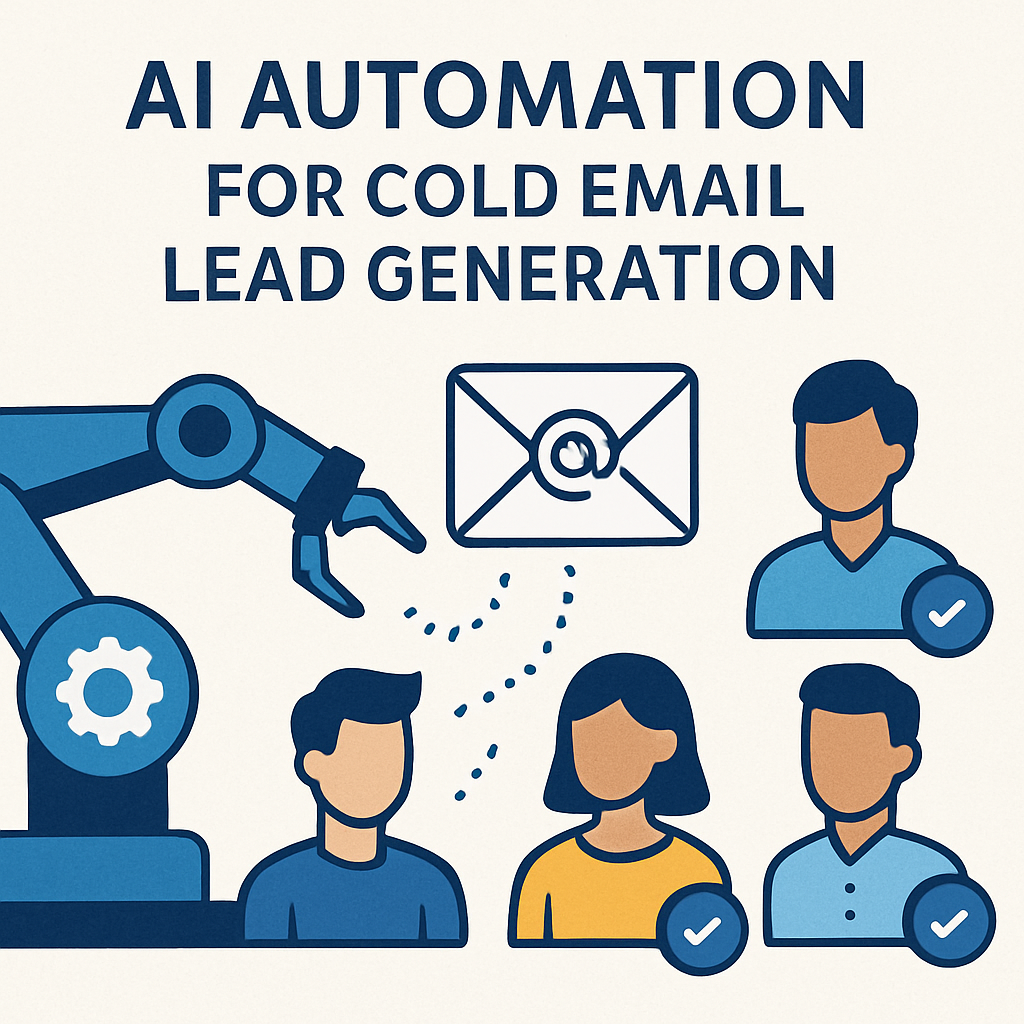
The Ultimate How-To Guide to AI Cold Email Automation for Small Business Owners
In today’s hyper-competitive B2B landscape, small business owners face the daunting challenge of breaking through digital noise to reach decision-makers and generate high-quality leads. Manual cold emailing is tedious, error-prone, and notoriously tough to scale. Enter AI cold email automation: a sophisticated, data-driven approach transforming how SMBs approach lead generation. This comprehensive “how-to” guide unpacks what AI cold email automation is, why it’s indispensable for small businesses, and how you can succeed using the latest automation strategies and tools.
Table of Contents
- What Is AI Cold Email Automation?
- A Brief History: The Evolution of Cold Outreach in B2B
- Why Small Businesses Need AI Automation
- Top Benefits of Automated Cold Outreach
- How to Choose the Best Email Automation Tools
- How AI Improves B2B Email Prospecting
- Step-by-Step: Setting Up AI Cold Email Automation
- Real-World Success Stories and Examples
- Common Mistakes and How to Avoid Them
- Pro Tips for Maximizing Your ROI
- What’s Next? The Future of Automated Cold Outreach
- Conclusion: Taking Action for Your Business
- Frequently Asked Questions (FAQs)
What Is AI Cold Email Automation?
AI cold email automation is the use of artificial intelligence and machine learning to streamline every stage of the outbound email prospecting process. In practice, this means intelligent systems handle crucial steps that typically demand hours of manual work—like researching leads, drafting personalized messages, optimizing send times, tracking replies, and even nurturing follow-ups.
Key Capabilities of AI-Powered Email Automation
- Smart Prospecting: AI finds relevant contacts based on your ideal customer profile, browsing through enormous databases, LinkedIn, and business directories.
- Personalized Messaging: GPT-driven engines tailor everything from subject lines to body content, referencing company news, job changes, or business pain points.
- Automated Scheduling: Algorithms optimize delivery times for each prospect, considering timezone, previous engagement, and industry benchmarks.
- Intelligent Follow-up: AI sequences can resend or adjust emails based on recipient behaviors (opens, clicks, replies, etc.).
- Data Analytics: Real-time dashboards display open, click, reply, bounce, and conversion rates, providing actionable insights for ongoing tweaks.
Automating the Human Touch
While AI cold email automation significantly reduces manual labor, the best platforms help your emails “sound human,” not robotic or spammy. Modern systems analyze language tone, offer personalized suggestions, and even recommend A/B testing variables—making your engagement more authentic and effective.
A Brief History: The Evolution of Cold Outreach in B2B
Understanding how cold emailing evolved helps contextualize why automated cold outreach is essential today.
The Traditional Approach
- Bulk Emailing: Early B2B sales teams relied on simple mail merges to blast generic messages.
- Low Engagement: Little to no personalization often led to spam complaints, bounces, and poor reputation scores.
- Regulatory Risks: Laws like GDPR and CAN-SPAM increased legal complexity and risks for non-compliance.
The Modern Shift
- Personalization at Scale: New tools began offering merge tags—personalized snippets for names, companies, etc.
- Deliverability Improvements: Sophisticated automation platforms improved sender reputation and ensured inbox placement.
- Data-Driven Decisions: Modern marketers optimized campaigns based on performance analytics and recipient behaviors.
Industry Insight
A 2023 HubSpot survey found B2B emails with personalized subject lines are 50% more likely to be opened. However, 57% of B2B marketers still cite large-scale personalization as their #1 outbound challenge.
Takeaway:
AI cold email automation emerged to bridge the gap—offering personalization and scale without overwhelming your team.
Why Small Businesses Need AI Automation
Small business owners often juggle multiple roles. Limited resources and fierce competition mean every hour and dollar must yield results. Here’s how AI automation addresses core small business pain points:
1. Workforce Efficiency
- Automate Tedious Tasks: AI removes data entry, research, follow-up scheduling, and manual tracking from your staff’s to-do list.
- Scale Without Hiring: Reach thousands of prospects with a single marketer, freeing up energy for critical business operations.
2. Impactful Personalization
- Data-Backed Messaging: AI combs the web and your CRM to find recent achievements, mutual connections, or pain points for deeper context.
- Custom Sequences: Hyper-personalized campaigns are now feasible—even for firms with a handful of employees.
3. Cost Savings
- Reduced Outsourcing: Agencies often charge steep retainers for complex outreach campaigns. Automation platforms eliminate this recurring expense.
- Subscription Models: Most tools have free trials and affordable monthly plans, letting you test before committing.
4. Competitiveness & Consistency
- Never Miss a Lead: Automated follow-ups mean every prospect gets timely engagement.
- Stay Ahead: As competitors lean into automation, laggards risk being drowned out by more sophisticated outreach.
Industry Data
A 2022 McKinsey study reports that companies adopting advanced sales automation experience 10–15% greater efficiency and up to 10% higher revenue growth—advantages small business owners cannot ignore.
Top Benefits of Automated Cold Outreach
AI-driven automated cold outreach is not just about “sending more emails”—it’s about sending better, more timely, and more relevant ones. Here are the core benefits:
Enhanced Personalization
- AI analyzes recipient job titles, LinkedIn activity, mutual interests, and recent news.
- Tailors each email for maximum relevance (“Congratulations on your recent funding round!” or “Saw your new product launch last month…”).
Statistic:
Email subject lines with a personalized touch see a 26% increase in open rates (Experian).
Smarter Targeting
- Machine learning tools rank leads on conversion likelihood.
- Prioritize outreach for the most promising prospects.
Improved Timing
- AI algorithms analyze behavior patterns, holidays, and global timezones.
- Optimize sending windows—up to 23% better response rates.
Automated, Timely Follow-Ups
- Systematically follow up with non-responders, using fresh hooks and variable intervals.
- No more forgotten leads or inconsistent cadence.
Actionable Analytics
- Real-time reporting on key metrics reveals what works—and what doesn’t.
- Fine-tune your campaigns with data, not guesswork.
Case Example
A Texas-based HR consultancy used AI-driven campaigns to reach 700+ HR managers with personalized job market insights, resulting in a 19% reply rate and six new client contracts within 45 days.
How to Choose the Best Email Automation Tools
The right email automation tools can make or break your cold outreach strategy. Consider these criteria for picking a platform suited for small businesses:
Key Features to Look For
- User-Friendly Interface: Prioritize drag-and-drop campaign builders and intuitive templates.
- Robust Integrations: Seamlessly connect with your CRM (like HubSpot or Salesforce), LinkedIn, or contact enrichment platforms.
- Dynamic Personalization: Support for AI-powered content and “smart fields” beyond just first names.
- Strict Deliverability Controls: Tools for domain warming, spam-checking, and bounce tracking.
- Granular Analytics: Detailed reports on opens, replies, clicks, link tracking, and campaign progression.
Leading Tools for SMBs
- Mailshake: Favored by startups for its ease of use and strong reporting. Features sequence-building, split-testing, and native CRM integrations.
- Smartwriter.ai: Harnesses AI for data-driven prospect research and ultra-personalization.
- Reply.io: Enables multi-channel outreach across email, LinkedIn, SMS, and even WhatsApp, with powerful AI analytics.
- Lemlist: Unique selling point: personalized images and videos embedded in cold emails.
Cost and Scalability
Most platforms offer plans from $30 to $150/month depending on features. As your volume grows, look for scalable API access and additional user slots.
Example in Practice
Case Study:
Sarah, owner of a 4-person digital agency, adopted Smartwriter.ai. Within two months, their average reply rate doubled from 8% to 16%, leading to five new client retainers—without expanding her sales team.
How AI Improves B2B Email Prospecting
Manual prospecting is a bottleneck. AI automation accelerates and refines B2B email prospecting in several powerful ways:
AI-Powered Prospect List Building
- Automatically scrapes LinkedIn, industry directories, and web databases to build lists based on your specific ICP.
- Enriches data with actionable fields: number of employees, growth signals, funding events, tech stack, recent hires.
Smart Segmentation
- Clusters leads by stage of buyer’s journey, behaviors, industry vertical, firm size, etc.
- Supports hyper-relevant drip campaigns.
Predictive Lead Scoring
- Machine learning assigns scores based on likelihood to convert.
- Your sales team focuses time on leads with the highest potential.
Research Highlight:
Forrester reports organizations employing predictive scoring technologies close deals 20% faster and expand their qualified pipelines by up to 14%.
Real-Time Feedback Loops
- AI algorithms learn from each campaign, refining messaging and targeting according to what works—enabling continuous improvement.
Step-by-Step: Setting Up AI Cold Email Automation
Follow this practical roadmap to set up your first successful AI cold email automation campaign:
1. Define Your Ideal Customer Profile (ICP)
- Pinpoint industries, company sizes, job titles, technologies used, pain points, and geographies relevant to your business.
- Survey top-performing existing clients and document common traits.
2. Build and Enrich Your Lead List
- Source leads using platforms like LinkedIn Sales Navigator, Apollo.io, or Hunter.io.
- Use AI-based enrichment (e.g., Smartwriter.ai, Clearbit) to append missing data: emails, roles, decision-maker status, and relevant insights.
3. Select and Configure Your Email Automation Tool
- Choose a platform aligned with your needs and budget.
- Secure a dedicated email domain or subdomain to protect your brand’s reputation.
- Warm up your domain to build trust with ISPs and improve deliverability.
4. Craft a Multi-Touch Email Sequence
- Use AI templates for variety: intro, value proposition, social proof, follow-up, break-up email.
- Personalize with dynamic fields: recipient name, company, industry-specific challenges, or personal accomplishments.
5. Time Your Campaigns Intelligently
- Let the tool recommend optimal times based on prospect location and engagement patterns.
- Avoid mass sends; stagger emails to mimic authentic outbound activity.
6. Automate Follow-Ups
- Create a 3–5 step sequence, spacing emails 2–5 days apart.
- Use alternative hooks—share resources, reference mutual connections, or remark on company news.
7. Analyze and Optimize
- Monitor key metrics daily/weekly: open rates, reply rates, bounce rates, positive/negative replies.
- A/B test subject lines, CTAs, length, and email frequency.
- Refine ICP and messaging based on what wins traction.
Example Timeline
- Week 1: Define ICP, research and build prospect list.
- Week 2: Set up tool, create initial sequence, and do a test send to a small segment.
- Week 3+: Launch full campaign, review analytics, and optimize for ongoing iterations.
Real-World Success Stories and Examples
Learning from proven examples illuminates not just theory but tangible results:
Case Study #1: SaaS Startup Triples Its Qualified Leads
A five-person SaaS company selling project management tools had previously spent nearly 30 hours a week manually researching and emailing prospects. After implementing Reply.io, they:
- Sent 350 individualized emails each business day (up from 40 previously).
- Achieved a 17% overall reply rate (compared to an industry average of 8%).
- Increased booked demos from 12 to 39 per month over a three-month period.
- Closed three mid-market deals, generating $120,000 in annual contract value.
Client Quote:
“Before AI automation, we struggled to keep pace with bigger competitors. Now, our pipeline is consistently full—and our messaging actually resonates!” – Mike, CTO
Case Study #2: Consulting Firm Boosts Local Partnerships
A boutique consulting firm in Chicago leveraged Lemlist’s image personalization feature. By embedding client logos into their outreach, they:
- Saw open rates jump to 71% (from a previous 48%)
- Booked eight new partnership meetings in just one month, mostly from cold leads
Mini-Example: E-commerce SaaS Provider
A small e-commerce SaaS startup used Mailshake’s sequencer and scheduled sends to target 1,000+ online retailers. Featuring case studies in their emails, they landed trials with five major brands and converted two into long-term paying customers—a direct
Get customers on autopilot. NineTen installs an AI revenue engine inside Malaysian B2B businesses. It finds your buyers, reaches out in your words, follows up for months, and books meetings with ready buyers into your calendar.
Chat with us on WhatsApp and see what it could do for your business.
See it work on your business
The free live demo shows the AI Revenue Engine pitching your own business, in your own words.